If you’re asking. ‘Is it safe to drink filtered tap water?’ then you’ve come to the right place. We make award winning, Australian designed and manufactured instant filtered drinking water systems that are tested to the strictest national and internal standards. Is it safe to drink filtered tap water? Learn more below.
Do I Need to Filter My Tap Water?
Wondering if Australia’s tap water is drinkable straight from the tap? For many, the answer is yes, but there are exceptions. Households sourcing water from rainwater tanks or boreholes, or if your local water supply has been compromised then filtering water can be beneficial if not necessary.
For many people filtering tap water makes substantial improvements to the taste – particularly the chlorine taste that is a by-product of our mains water disinfection processes. Plus, there are other benefits to installing a Billi filtration system – such as instant boiling, chilled and sparkling water options.
As well as the above, factors such as aging infrastructure, environmental contaminants, and outdated household plumbing can alter water quality. Together, these risks become more pronounced, advocating for a robust filtration system.
Is Drinking Filtered Water Bad for You?
No, in fact in many areas filtering water may even be helpful – that is, filtered water is safe to drink. For example, if you use rain or bore water, or if your mains water supply has been contaminated, a water filtration system can not only remove particles, chemicals and bacteria but also improve taste. However, it’s important to use a multi-stage filtration system rather than a conventional carbon filter. Find out why.
Is Filtered Water Good for You?
In the situations described above filtered water can be helpful – that is, drinking filtered water is good for you. However, it’s also important to choose a system that has the appropriate certifications. For example, Billi’s filter range is tested in accordance to the strictest health and safety standards. Our filters carry the Australian Standards WaterMark for product safety and consumer confidence. These certifications ensure that with a Billi the highest level of drinking water is available. Find a Billi that suits you.
Billi’s Premium Filtration Technology
Our filtration range is designed for adaptability, serving both residential and commercial settings. Our 0.2-Micron filters are recommended for peace of mind, removing impurities like heavy metals, chlorine, and harmful parasitic cysts. Conversely, our 5-micron filter excels in improving water by removing particles and limescale, which enhances both taste and odour.
Filter Efficacy and Maintenance
We take pride in the performance of our filters, aiming to deliver pristine drinking water consistently. To maintain this high standard, we recommend an annual filter replacement. Over time, filters capture organic materials that could affect water quality. By setting a minimum filter lifespan, we proactively manage and mitigate any decline in performance.
Self-replacing your filter is simple with our guides. Alternatively, our BilliCare team can manage and schedule filter changes, ensuring your system operates flawlessly. You can easily book a service online or sign up for one of our service plans for the most convenient level of service.
Still Have Questions?
Using a multi-stage filtration system can remove microbiological elements such as parasitic cysts giardia and cryptosporidium. It can also filter out particles and reduce chemical elements such as chlorine and heavy metals. Learn more about how filtration systems work. You can access more information on the question, ‘Does tap water need to be filtered?’ on our Why Billi page.
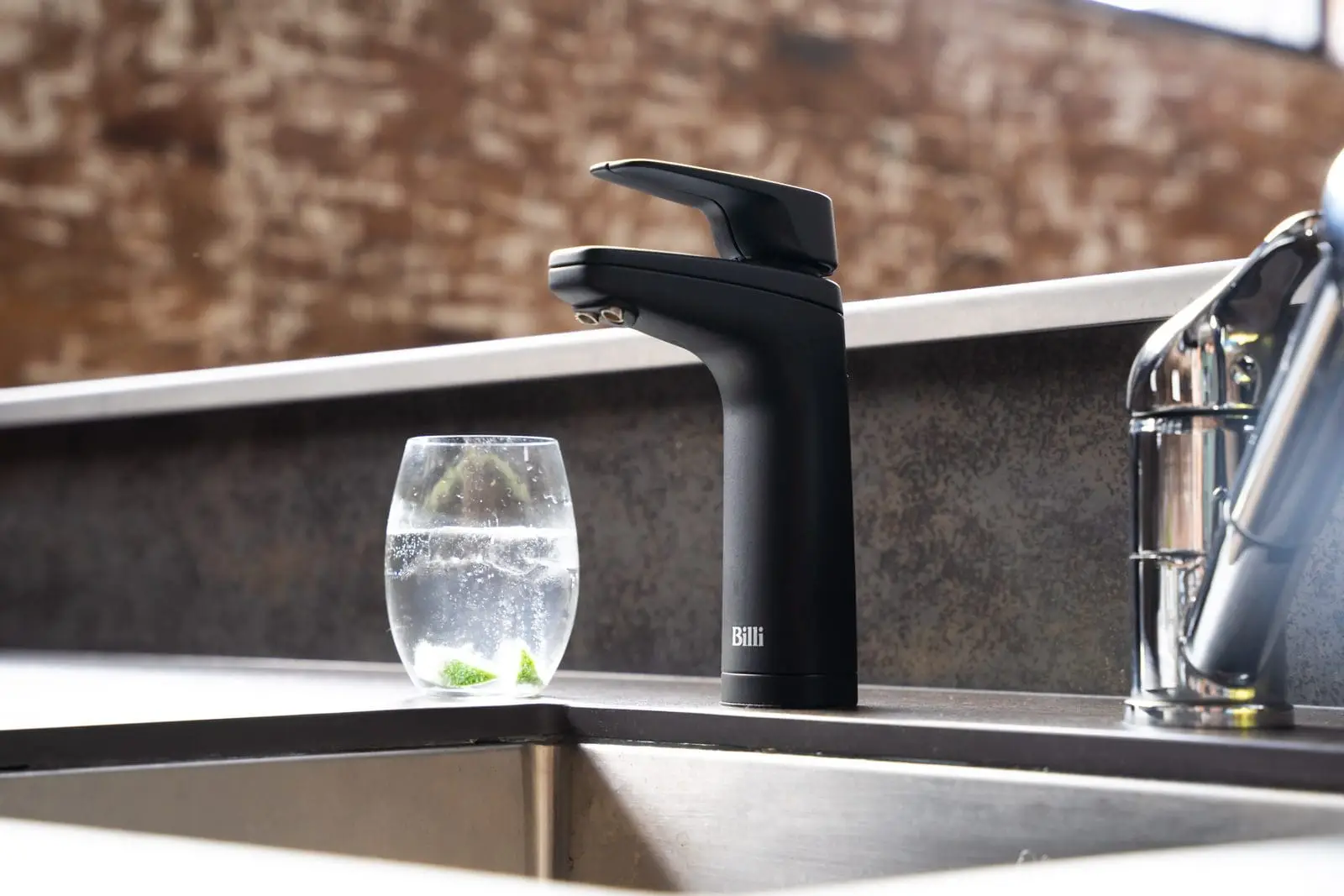
Soda or sparkling water consumption has increased significantly over the last few years, especially now that you can access it on tap with one of our water filtration systems. Many find it ideal for keeping their hydration up as they enjoy drinking sparkling water over still water – but, with higher consumption some wonder if soda water is acidic and if it is considered a ‘not so healthy’ alternative to regular water. Below we provide info on the pH of soda water, what alkaline water is and dispel some of the myths about soda & alkaline water.
Billi has been at the forefront of the instant filtered boiling and chilled water systems industry for over 30 years. All our water filtration systems come with an assurance of quality, innovation & sustainability and are proudly Australian-designed & made to strict quality standards in our state-of-the-art facilities in Melbourne. If you’re wondering if soda water is acidic, below is what the pH of soda water is along with what alkaline water is and how it differs from regular water:
Is Soda Water Acidic?
pH is the measurement used to determine how acidic or basic water is. Any substance below 7 on the pH scale is acidic and any above 7 is alkaline. A substance with a pH of 7 is considered neutral. So based on this, is soda water acidic?
Soda or sparkling water has carbon dioxide added to it to create bubbles. The carbon dioxide and water react and produce carbonic acid which means the pH level of soda water is below 7. The pH of soda water can vary slightly but on average the pH of soda water sits somewhere between 3 and 4.
Compared to other beverages though such as soft drinks and juices, soda water is often much less acidic. And, when you take into account that soda water doesn’t include other potentially harmful ingredients such as sugar, salt or artificial ingredients, it’s often a much healthier alternative.
There also is a common misconception that soda water’s acidity can have adverse effects on your body and teeth. Whilst limited research has been conducted on the impacts of soda water, it is considered that the lower levels of acidity in soda water do not pose a serious risk to your body or teeth. And, when you weigh up the benefits of increasing your water intake and drinking soda water instead of additive-laden alternatives, soda water can be considered a much healthier choice.
What Is Alkaline Water?
Alkaline water is simply water that has a higher pH than 7. ‘Regular’ water such as tap water usually has a pH between 6.5 and 8.5. Water that is labelled with the term ‘alkaline water’ for marketing purposes tends to have a higher alkalinity than tap water.
There is a lot of talk about the health benefits of alkaline water with some claiming that it can provide greater hydration, can neutralise acids in your body and can even prevent cancer. However whilst some limited studies suggest alkaline water may be beneficial no research provides substantial evidence to prove or disprove the benefits of alkaline water.
Water Filtration Systems That Include Carbonated Water
The benefit of our water filtration systems that give you sparkling water is that you have high-quality filtered sparkling water on tap, that tastes great. You don’t have bottles of sparkling water taking up storage space and going flat before you finish them and you no longer need a bulky manual sparkling machine to add to your list of kitchen appliances. With our systems, you can also adjust the sparkling level to your liking.
Sparkling water filtration systems in our range include:
- B5000 Sparkling – Boiling, chilled and sparkling water on tap
- B3000 Sparkling – Chilled and sparkling water on tap
Get Soda Water On Tap With A Billi Home Water Filtration System
Use our Store Finder to find your nearest stockist so you can speak with your local water filtration experts and view the filtered soda water systems available in our range.
You can also order online as well as book installation with an accredited Billi technician.
The journey toward a truly sustainable built environment is powered by bold vision, long-term commitment, and decisive action. However, progress isn’t measured by ideals alone; it’s validated by tangible evidence: metrics, certifications, and rigorous documentation.
This is particularly crucial when navigating the evolving landscape of environmental rating systems, where data volumes can be vast, especially regarding specified materials and product compliance.
With the launch of the Green Star Fitouts rating tool on the horizon, we explore how design professionals can make strategic product choices that deliver measurable environmental outcomes. Using Billi’s Quadra and Quadra Plus systems as a case study, we examine a core question: Why are verified sustainability metrics essential in achieving high-performance certification outcomes?
Elevating Fitouts Through Smart Specification
Many in the industry are familiar with the Green Star Buildings framework. The upcoming Fitouts rating tool, building on the Green Star Interiors foundation, introduces more ambitious targets across key focus areas, including decarbonisation, circular economy, occupant health, and social value.
The tool will award credits across five core categories:
- Circular
- Responsible
- Healthy
- Positive
- People
Each project is assessed according to specific criteria and classified across three tiers: Minimum Expectation, Credit Achievement, and Exceptional Performance.
Understanding the Responsible Product Value (RPV)
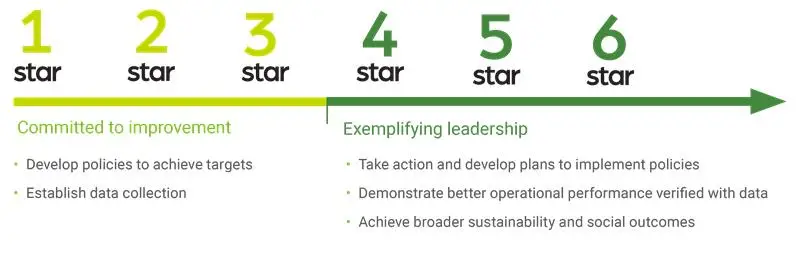
One of the key tools to evaluate product performance within the Green Star framework is the Responsible Product Value (RPV)—a scoring system used to measure how well a product aligns with sustainability objectives across four categories: Responsible, Circular, Healthy, and Positive.
Each category contributes a fixed number of points, and the total defines the product’s RPV. The higher the RPV, the greater its contribution to credit achievements within a fitout project.
Higher RPV, higher potential: The Quadra example
Specifying products with a high RPV contributes significantly towards achieving the Responsible Products credits. Billi’s Quadra and Quadra Plus systems – with an RPV of 16 – are an excellent showcase of that methodology. Their RPV score is based on their Global GreenTag product-specific EPDs (worth five points) and their Global GreenTag LCARate Gold certification (worth eleven points).
Sustainable Hydration Solutions for Green Star Fitouts: Quadra & Quadra Plus Lead the Way
As the Green Star Fitouts tool enters the Australian market, sustainability-focused products are becoming critical for design professionals aiming to meet evolving certification standards. While this new rating tool is still rolling out, its foundational assessment approach is well-established in the Green Star Buildings tool, offering a clear framework for evaluating a product’s impact on environmental and performance outcomes.
Contributing to Green Star Responsible Products Credits
Billi’s Quadra and Quadra Plus systems are engineered to support compliance with the Green Star Responsible Products Framework, delivering independently verified sustainability performance.
In the Green Star Buildings rating tool, these systems have a Responsible Product Value (RPV) of 16, exceeding the minimum RPV of 11 required for Exceptional Performance under the Responsible Systems category. This positions Quadra and Quadra Plus as standout products for professionals aiming for high-performance fitouts and building certifications.
Key Sustainability Features That Support Green Star Credits
1. All-Electric Operation for Fossil Fuel-Free Goals
As fully electric systems, Quadra and Quadra Plus help achieve Green Star outcomes that require the elimination of fossil fuels for:
- Heating and cooling
- Domestic hot water
- Cooking applications
This aligns with future-forward building designs that aim for 100% electric operation.
2. Low-Toxin, Health-Conscious Materials
Quadra and Quadra Plus are manufactured using zero-VOC and BPA-free materials. These units are:
- Watermark certified
- WELL compliance-ready certifications
- Global GreenTag Gold Level certified
Additionally, they earn the maximum Health & Toxicity score under Global GreenTag, making them ideal for projects prioritising occupant health and wellbeing.
3. Water Efficiency & WELS Ratings
Water usage is a key sustainability metric. Depending on the model selected, Quadra and Quadra Plus feature:
- WELS ratings of 5 to 6 stars
- Flow rates from 5.0 to 4.5 litres per minute
This supports water efficiency targets in both Green Star Buildings and Green Star Fitouts projects.
Supporting Occupant Comfort and Wellness
Beyond direct credit contributions, Quadra and Quadra Plus also enhance indoor environmental quality:
- Ergonomic and intuitive design
- Whisper-quiet, water-cooled operation improves acoustic comfort
- No need for cabinet ventilation helps maintain thermal comfort
These features contribute to a healthier, more comfortable indoor environment—critical for WELL and Green Star criteria.
Driving Carbon Reduction With Product-Specific EPDs
Billi provides product-specific Environmental Product Declarations (EPDs) for Quadra and Quadra Plus, supporting calculations for Green Star’s Upfront Carbon Emissions credits. Key metrics include:
- 167 kg CO2 Eq unit (Modules A1-A3, cradle to gate)
- 175.98 kg CO2 Eq unit cradle-to-grave
Compared to an industry worst-case average of 271.7 kg CO2 Eq, Billi products demonstrate an upfront carbon saving of approximately 35%.
Credit Pathways for Carbon Performance:
| Rating Level | Carbon Reduction Target |
|---|---|
| Minimum Expectations | 10% reduction |
| Credit Achievement | 20% reduction |
| Exceptional Performance | 40% reduction |
These verified metrics help specifiers confidently target high-performance fitout outcomes under Green Star.
Embodied Carbon Reduction in Practice
According to Fergus Tough, Director of Manufacturing Operations at Billi:
“Case study analysis shows that material substitutions using low-embodied-carbon alternatives can reduce overall embodied carbon by 19% to 46%.”
With Australia’s upfront carbon emissions projected to rise from 16% to 85% of total building emissions by 2050, decisions around material selection will have long-term impacts. Billi’s transition to natural refrigerant R290—with zero ozone depletion potential and a GWP of <5—is one of many steps in its carbon reduction strategy.
Ahead of the Market: Verified, Transparent, and Digital-Ready
Both Quadra and Quadra Plus sit in the top 35% of Global GreenTag’s internal rankings, classified as “Ahead of the Market” for sustainability compliance.
To support specification and compliance documentation, Billi has:
- Published BIM content via BIMstore
- Provided up-to-date information to platforms like Architecture & Design
- Committed to publishing its first Sustainability Report
- Ongoing collaboration with Global GreenTag
Empowering the Next Generation of Sustainable Fitouts
The evolution of the Green Star Fitouts rating tool highlights the industry’s shift toward metric-driven sustainability. With products like Quadra and Quadra Plus, Billi equips architects, designers, and specifiers with the tools they need to:
- Reduce embodied and operational carbon
- Achieve health and wellness targets
- Contribute to Responsible Products credits
- Stay ahead of compliance requirements
By combining robust sustainability metrics with third-party verification, Billi sets the standard for responsible hydration solutions in Australia’s green building landscape.
We all know the importance of staying hydrated and that water is best for hydration… but these days, there are many different types of water to choose from. Below we run through what’s the difference between soda water and sparkling water, what’s the difference between soda water and mineral water, what is the difference between soda water and tonic water and what’s the difference between sparkling water and seltzer.
Billi has been at the forefront of the instant filtered boiling and chilled water systems industry for over 30 years. All our water filtration systems come with an assurance of quality, innovation & sustainability and are proudly Australian-designed & made to strict quality standards in our state-of-the-art facilities in Melbourne. If you’re keen to up your water intake but are confused by all the water options, here is what’s the difference between soda water and mineral water, sparkling water, tonic water and seltzer
What’s The Difference Between Soda Water And Sparkling Water?
The difference between soda water and sparkling water is that soda, like sparkling water, is carbonated with carbon dioxide to give it bubbles – however potassium bicarbonate and potassium sulphate are added to soda water to give it a slightly salty taste.
What’s The Difference Between Soda Water And Mineral Water?
The difference between soda water and mineral water is generally the level of carbonation (soda water tends to be more bubbly than mineral water) and the number of minerals in each. Mineral water has natural minerals in it (which are often removed from filtered water) and the carbonation occurs naturally as a result of the minerals in it (such as calcium and sodium). Soda water is carbonated with carbon dioxide gas and the minerals present in soda water have been added as opposed to occurring naturally. Some people also report a different taste when it comes to the difference between soda water and mineral water too.
What Is The Difference Between Soda Water And Tonic Water?
The difference between soda water and tonic water is that soda water has potassium bicarbonate and potassium sulphate added to it. In contrast, tonic water contains added quinine and sugar (which means it contains calories). Tonic water has a more distinct taste than soda water too.
What’s The Difference Between Sparkling Water And Seltzer?
When it comes to what the difference between sparkling water and seltzer, it’s just the name. Sparkling water and seltzer are essentially the same things – water, carbonated with carbon dioxide to make it bubbly.
Enjoy Different Water On Tap With Our Water Filtration Systems
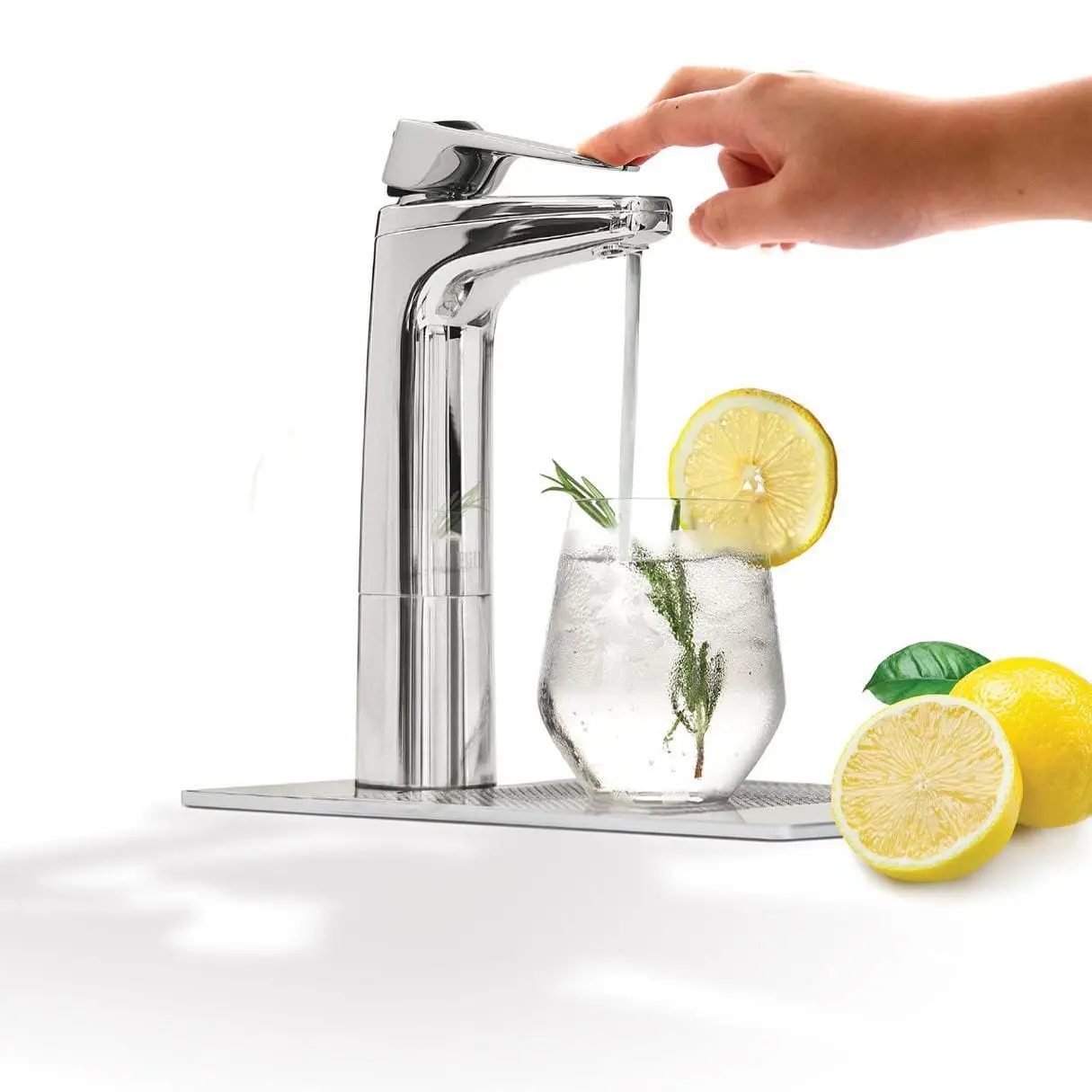
The good news is that whilst there are many different types of water, our water filtration systems make it easy for you to have a variety, on tap in your home. You can have instant boiling, chilled, still and sparkling water, whatever you feel like – and what’s more, our water filtering process removes all the nasties whilst still allowing minerals to flow through so you’re always drinking the best quality water.
Water combinations in our range include:
- Boiling / chilled
- Boiling / chilled / sparkling
- Boiling / still
- Chilled
- Chilled / sparkling
- Still
Our systems also include innovative features such as adjustable chilled water temperature and adjustable sparkling level so whether you like a few bubbles like mineral water or a lot, like soda water – we’ve got you covered. If you’re partial to tonic water, add a little tonic syrup to your sparkling water and voila!
Visit Your Local Billi Stockist Today
We have Billi stockists located throughout Australia. Use our Store Finder to find your nearest stockist or you can order Billi water filtration systems online. Installation with an accredited Billi technician can also be booked online too.
Sparkling water used to be something you’d generally only have when you ordered it for the table when dining out. But now bottled water and carbonated water machines have made sparkling water much more accessible and consumed much more regularly – but, is sparkling water good for you?
The answer is, yes! Below we list the benefits of why sparkling water is a healthy choice and how our water filtration systems make sparkling water an even better option.
Billi has been at the forefront of the instant filtered boiling and chilled water systems industry for over 30 years. Our systems are proudly Australian-designed & made to strict quality standards in our state-of-the-art facilities in Melbourne. Our products are celebrated for their combination of functionality, performance and contemporary aesthetics whilst incorporating cutting-edge eco-technology. All our water systems come with an assurance of quality, innovation and sustainability. Here is why drinking sparkling water is good for you
Drinking Sparkling Water Benefits
If you’re wondering if drinking sparkling water is good for you, then here are some benefits that will leave you in doubt that sparkling water is a healthy option:
- Sparkling water is a healthy alternative to soft drinks. If you enjoy the crisp, refreshing sensation of having a bit of fizz in your drink, sparkling water provides this but without the added calories and sugar.
- Increases water intake. Because many people enjoy drinking sparkling water more than still water they often have a higher water intake if sparkling water is readily available to them.
- Research suggests that sparkling water may have a positive impact on bowel movements, especially for those suffering from constipation. Sparkling water may also reduce the severity of symptoms of indigestion such as stomach pain
- Another drinking sparkling water benefit is that it can help you lose weight. Sparkling water can often make you feel more full or satiated than you would compared to drinking standard water. Some studies have also indicated that carbonate water forces food to remain in your stomach for longer, which can also help you to feel fuller.
- Initial research has shown that drinking sparkling water may improve heart health by helping to reduce LDL cholesterol levels (bad cholesterol), blood sugar levels & inflammatory markers whilst increasing HDL cholesterol levels (the good cholesterol).
With all these drinking sparkling water benefits, it’s easy to see why drinking sparkling water is good for you! One thing to bear in mind though is that not all sparkling waters are equal. Some bottled sparkling waters have sugars or artificial sweeteners added to them so make sure you check this before consuming.
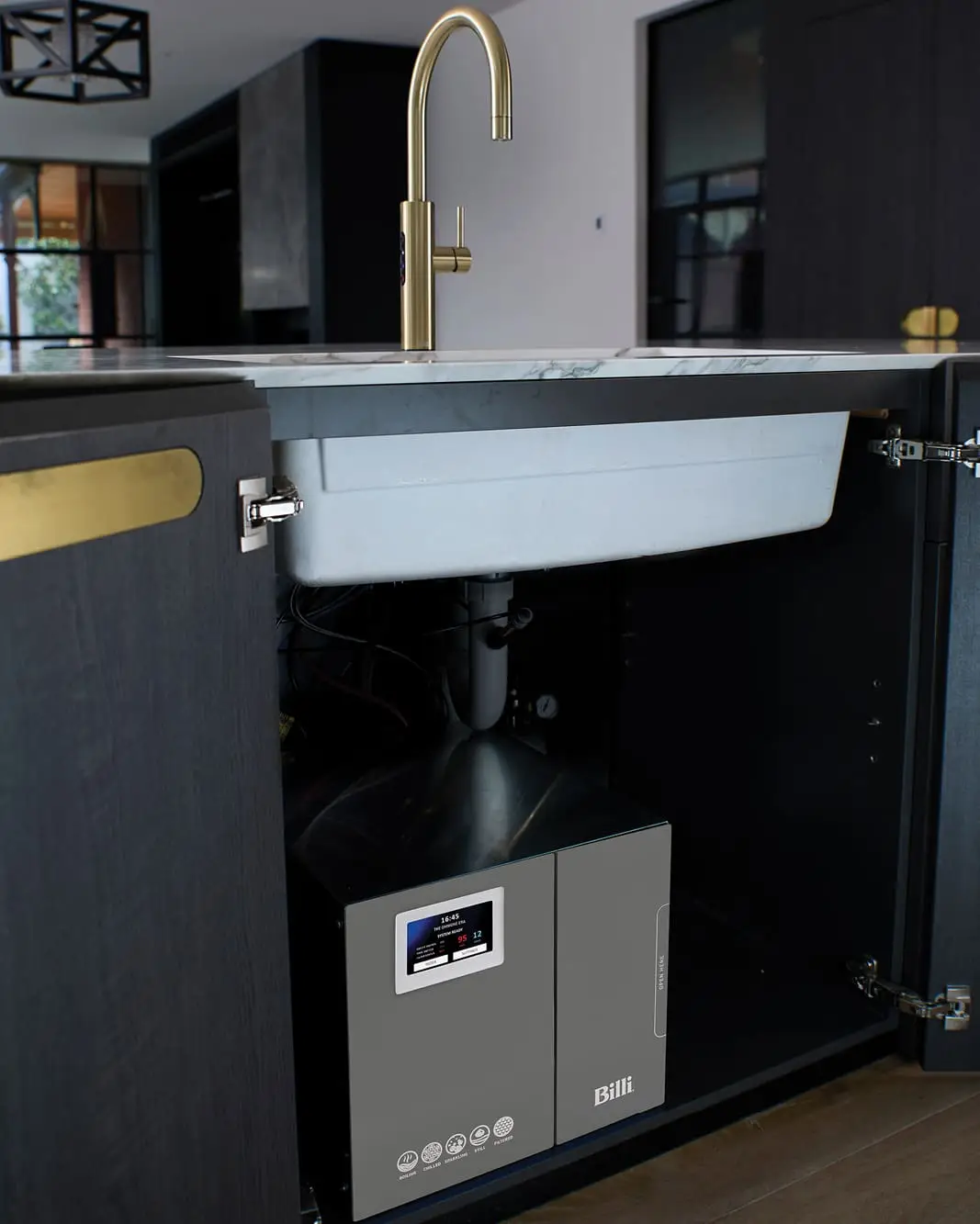
The good news is that our water filtration systems give you high-quality, filtered sparkling water, on tap! This makes sparkling water much more accessible, all the nasties from your water have been filtered out and it tastes great! Some of our systems even allow you to adjust the sparkling level to your liking.
Our systems are stored out of sight under your bench, you don’t have bottles of water cluttering up your fridge and they are much more sustainable and environmentally friendly as they minimise the need for single-use water bottles. You have fresh, sparkling water on tap for whenever you feel like a crisp cool glass of sparkling water – no more half-flat fizzy water in a plastic bottle too!
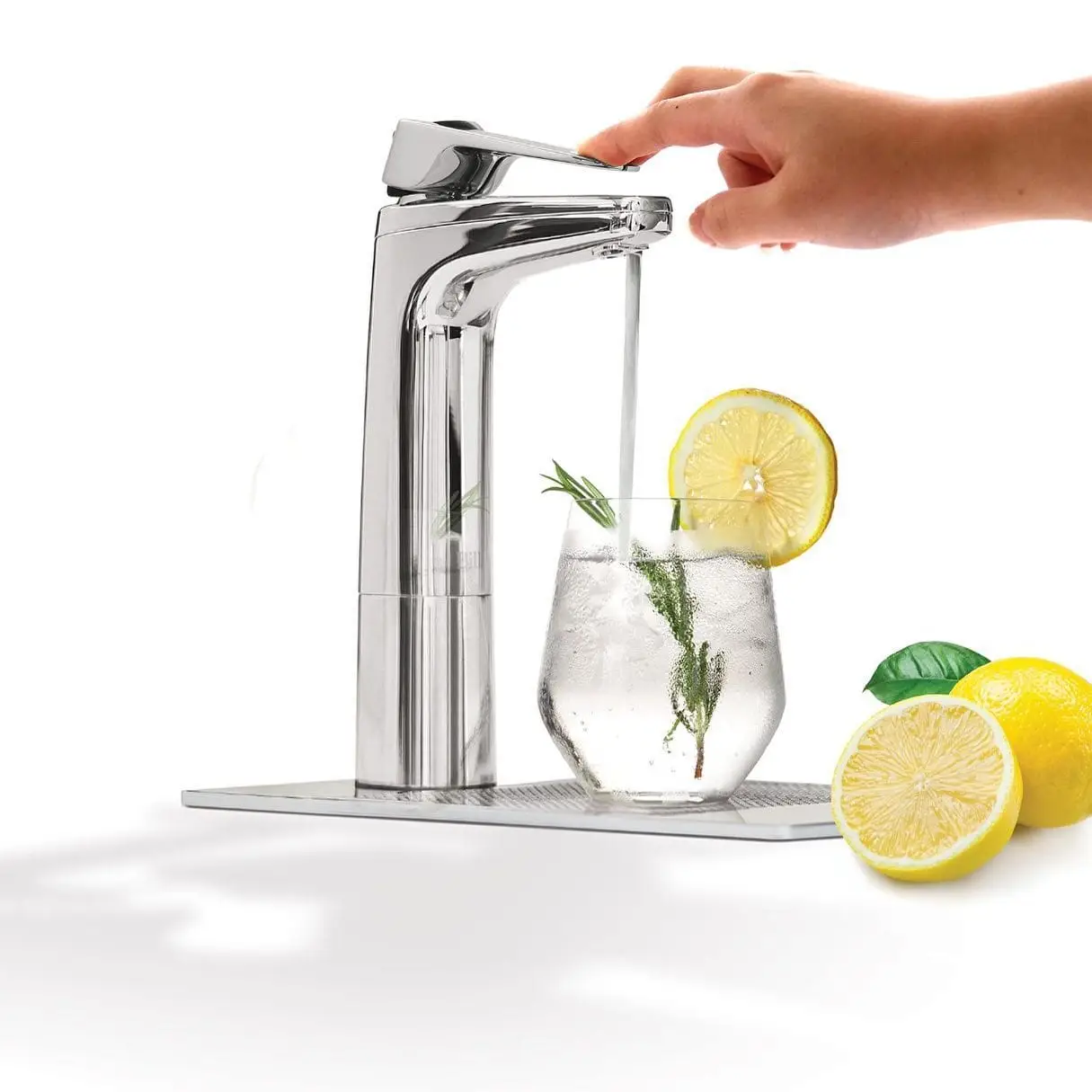
Drinking Sparkling Water Everyday: What You Need To Know
One of the reasons it is ok to drink sparkling water everyday is that it can increase the amount of water you’re drinking. We all know that staying hydrated is important for our health, but some struggle to drink the daily recommended water intake. If drinking sparkling water is your thing and it gets you drinking water – that’s a good thing! And sparkling water is a far better option than soft drinks. Many find it easier to reduce unhealthy sugar and calorie consumption by swapping out soft drinks for sparkling water instead.
Drinking sparkling water every day can also have other benefits too:
- Sparkling water may enhance digestion by improving swallowing ability and reducing constipation
- It can also increase feelings of fullness, compared to still water which may aid weight loss
- Some studies have indicated that sparkling water may lower bad cholesterol levels, inflammation and blood sugar levels whilst increasing good cholesterol levels which can help reduce the risk of heart disease
So, is it bad to drink sparkling water everyday? As you can see, there are some pretty good benefits to drinking sparkling water regularly. This all being said, some bottled sparkling waters do have sugars or artificial sweeteners added so if you are drinking sparkling water everyday, in particular bottled sparkling water, make sure you check the label before consuming. Pure sparkling water is best. And, did you know that our water filtration systems give you high-quality, filtered sparkling water on tap?
Enjoy great tasting, filtered sparkling water whenever you feel like a cool, bubbly, healthy refreshing drink without any nasties. The filters we use in our water filtration systems remove particles from your water, chlorine, parasitic cysts (including cryptosporidium & giardia), and heavy metals.
Our filters also enable minerals (the good stuff) to flow through the system without allowing limescale build-up. Some of our systems also allow you to adjust the sparkling level to your liking. Our systems are stored out of sight under your bench, you don’t have bottles of water cluttering up your fridge and they are much more sustainable and environmentally friendly as they minimise the need for single-use water bottles.
Buy A Sparkling Water Filtration System Today
Buy your Billi water filtration system online now or visit your local Billi stockist to speak to your local water filtration experts about our water filtration systems that provide sparkling water.
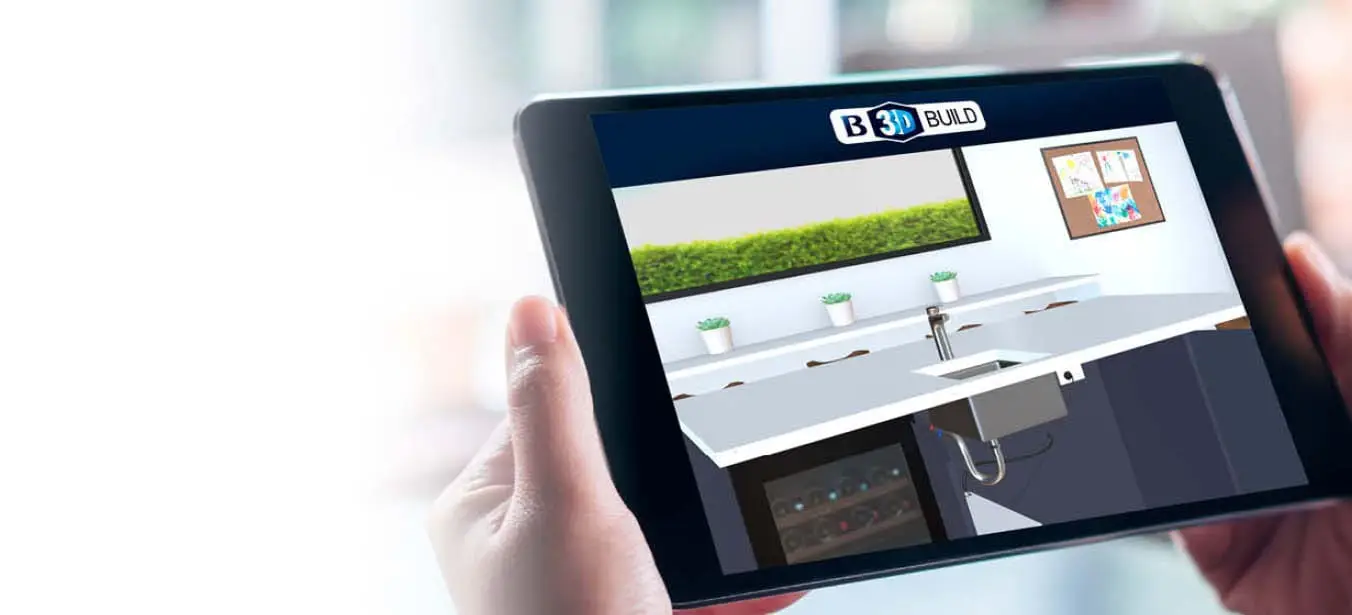
Or see what a Billi would look like in your kitchen by using the 3D-Build. Choose a water combination, dispenser, finish colour and accessories, and then shop for your selection online!
There are so many benefits to drinking plenty of water each day. Staying hydrated can positively impact your cognitive ability (improves memory, mood, concentration & reaction time), can assist with weight loss/management, can ease joint pain by keeping joints lubricated, regulate body temperature, prevent infections, deliver nutrients to cells and keep organs functioning properly. But if you don’t drink enough water, what do the effects of dehydration look like? Below we list the effects of not drinking enough water and how to tell if you’re dehydrated.
Billi has been at the forefront of the instant filtered boiling and chilled water systems industry for over 30 years. All our water filtration systems come with an assurance of quality, innovation & sustainability and are proudly Australian-designed & made to strict quality standards in our state-of-the-art facilities in Melbourne. Not sure if you’re drinking enough water and want to know how to tell if you’re dehydrated? Here are the effects of not drinking enough water and simple ways you can determine if you’re dehydrated
Effects Of Not Drinking Enough Water
We all know that staying hydrated is important for our health and well-being but if we’re not getting enough water into our bodies (which let’s face it, many of us aren’t), what are the actual effects of not drinking enough water?
One of the most common effects of not drinking enough water is fatigue. Being dehydrated can bring down your energy levels and make you sluggish. The amount of water you drink can also affect the quality of your sleep too. Other effects of dehydration can include:
- Urinary Tract Infections
- Kidney stones
- Cramps
- Digestive problems
- Stomach ulcers
At the end of the day, every cell in our body relies on water to perform optimally, so whilst there are specific effects of not drinking enough water, staying hydrated will ensure optimal overall health & wellbeing.
How To Tell If You’re Dehydrated
Dehydration can be caused by many different things – if you’re sick (i.e. fever, diarrhoea, vomiting), are sweating excessively or you’re urinating a lot ( (Diabetes and some medications can make you urinate more often) or you simply forget or don’t find drinking water enticing enough.
One of the easiest ways to tell if you’re dehydrated is to check the colour of your urine. Urine should be a pale yellow colour. If your urine is dark, that is a sign you may need to drink more water. Another way to tell if you’re dehydrated is to pinch the skin on your knuckle. If the skin goes down easily and quickly, then you are hydrated. If it takes a long time to go down, this could be a sign that you are dehydrated.
Other signs of dehydration include:
- You feel thirsty
- You aren’t urinating very often
- You feel tired or fatigued
- You have a dry mouth, lips and tongue
- Your eyes are sunken
The truth is, as important as staying hydrated is – many of us struggle to get in our recommended daily water intake. Often we hear from those that install one of our water filtration systems that their family’s water intake increases. Our systems use premium filters that not only mean you’re drinking the best quality drinking water, but it also tastes and smells better too. And, with instant boiling, chilled, still and sparkling water on tap, this can make drinking water more accessible and enticing too.
Improve Your Hydration With A Billi Home System
See what a Billi water filtration system would look like in your kitchen by using the 3D-Build. Choose a water combination, dispenser, finish colour and accessories, and then shop for your selection online!
We also have Billi stockists located throughout Australia. Use our Store Finder to find your nearest stockist, so you can start enjoying the benefits of infused water.
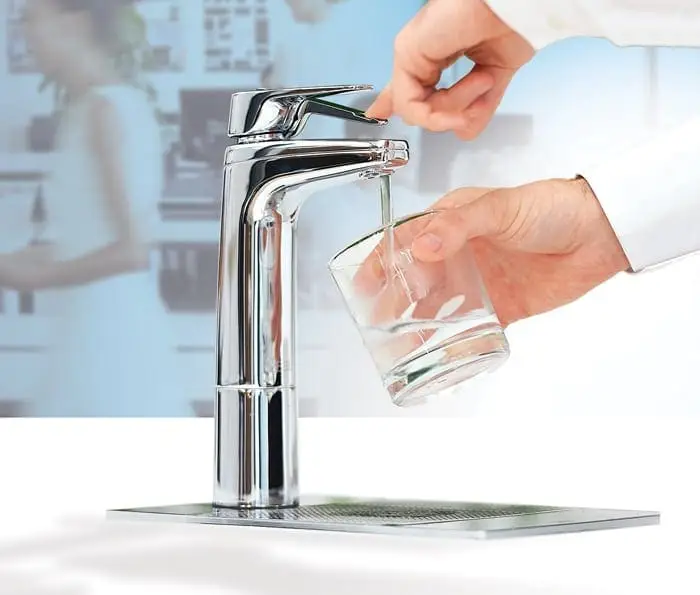
In order to ensure optimal water quality and performance all filtered drinking water systems require regular maintenance and filter replacements. To the question of how often should your water filters be replaced the answer is: it depends on your usage and situation. Because of this Billi offers a diverse range of care plans and filters to meet our different customers’ needs. Read more to understand how often do water filters need to be changed below.
Why is Changing Water Filters Important?
Regular filter replacements are essential for two main reasons:
- To maintain the pristine quality of your water.
- To ensure your filtration system’s consistent performance.
As the filter works, organic matter accumulates, potentially leading to biofilm development. This build-up can compromise your system’s efficiency and the water’s quality.
Factors Determining Filter Change Frequency
So, how often do you change a water filter? The answer isn’t as straightforward as one might think. While a general rule of thumb suggests replacing your cartridge every 12 months, specific conditions might necessitate more frequent changes. If you’re in an area demanding higher filtration levels or if your water usage is substantial, you may need to replace more often. Our filters boast a 30,000-litre capacity (for chlorine reduction), so once this limit is reached, or if the water quality deteriorates, a replacement is due.
How Often Do You Need to Change a Water Filter?
Replacing filters is required periodically to maintain the water quality. The question of how often do water filters need to be changed is tricky because time is not an accurate measurement of a filter life rather, capacity is. All Billi filters have a chlorine reduction capacity of about 30,000 litres.
Replacing your filter is easy and can be tailored to your needs. You can have a simple DIY scenario where you can buy Billi filters on our website or at your local supplier, replacing them per our video online. Or we can replace filters for you as part of a Billi Care Plan.
Billi’s Filter Replacement Options
- 5 Micron Fibron X® Replacement Filter: Offers standard premium filtration, adept at chlorine and chemical adsorption.
- 0.2 Micron Fibron XC® Replacement Filter: Ensures optimal water quality by providing the highest filtration level.
- HSD Fibron XT® Replacement Filter: Balances premium filtration without sacrificing water flow, ideal for lower water quality regions.
For those seeking assistance, Billi offers water filter change services as part of our comprehensive service plans. These ensure your filter’s optimal performance and longevity.
FAQs on Filter Replacement
Why change filters annually?
To ensure the highest water quality and maintain your unit’s peak performance.
Do I need a technician for filter changes?
Not necessarily. We offer DIY resources to guide you. However, our team is always ready to assist if needed.
What maintenance plans does Billi offer?
We have the GOLD PLAN for comprehensive maintenance, SILVER PLAN for filter replacements, and the REFILLABLE CO2 PLAN, which includes a periodic refill service.
Book a Water Filter Change Service
Consistent water quality demands regular filter maintenance. Contact us or book a water filter change service and view our water filter refill products.
Remember, water is life. Make sure yours is the best it can be with Billi.
*Billi’s Luxgarde™ UVC Purification Device has been developed and tested to be effective against pathogens up to 99.999%. The effectiveness of the purification process can vary based on factors such as water quality, temperature, and system setup. Always follow the manufacturer’s instructions for optimal performance and safety.
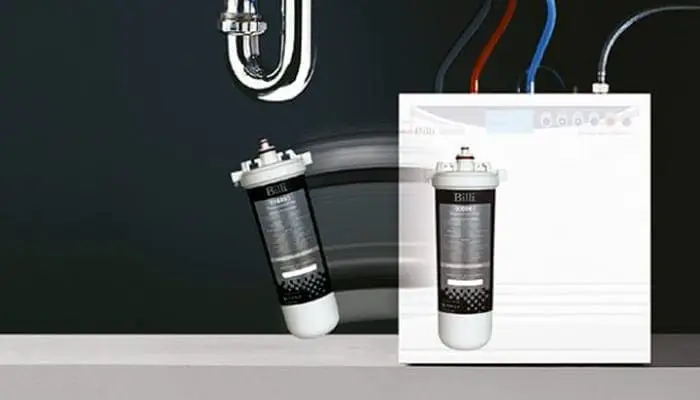
In a world where water hygiene has become a top priority for homes, offices, and healthcare facilities alike, Billi stands at the forefront of innovative solutions with its state-of-the-art water filtration and UV purification technologies.
Celebrating over 30 years of Australian heritage in designing and manufacturing premium water systems, Billi’s legacy is built on delivering high-performance, eco-friendly, and aesthetically pleasing products for both commercial and residential use.
Understanding Water Filters and Bacteria
Water filters play a pivotal role in improving the quality of drinking water, but their effectiveness in removing bacteria varies based on the type of filter used. Billi’s advanced filtration technology, incorporating Fibron X and 0.2 Micron filters, is designed to tackle a broad spectrum of contaminants, including chemicals like chlorine, and to some extent, microorganisms.
Generally speaking, even costly and wasteful water filters such as Reverse Osmosis filters aren’t designed to remove bacteria. Instead, chemical treatments and non-chemical options, Billi offers an alternative to reduce or eliminate waterborne bacteria and pathogens.
How Do UV Filters Remove Bacteria?
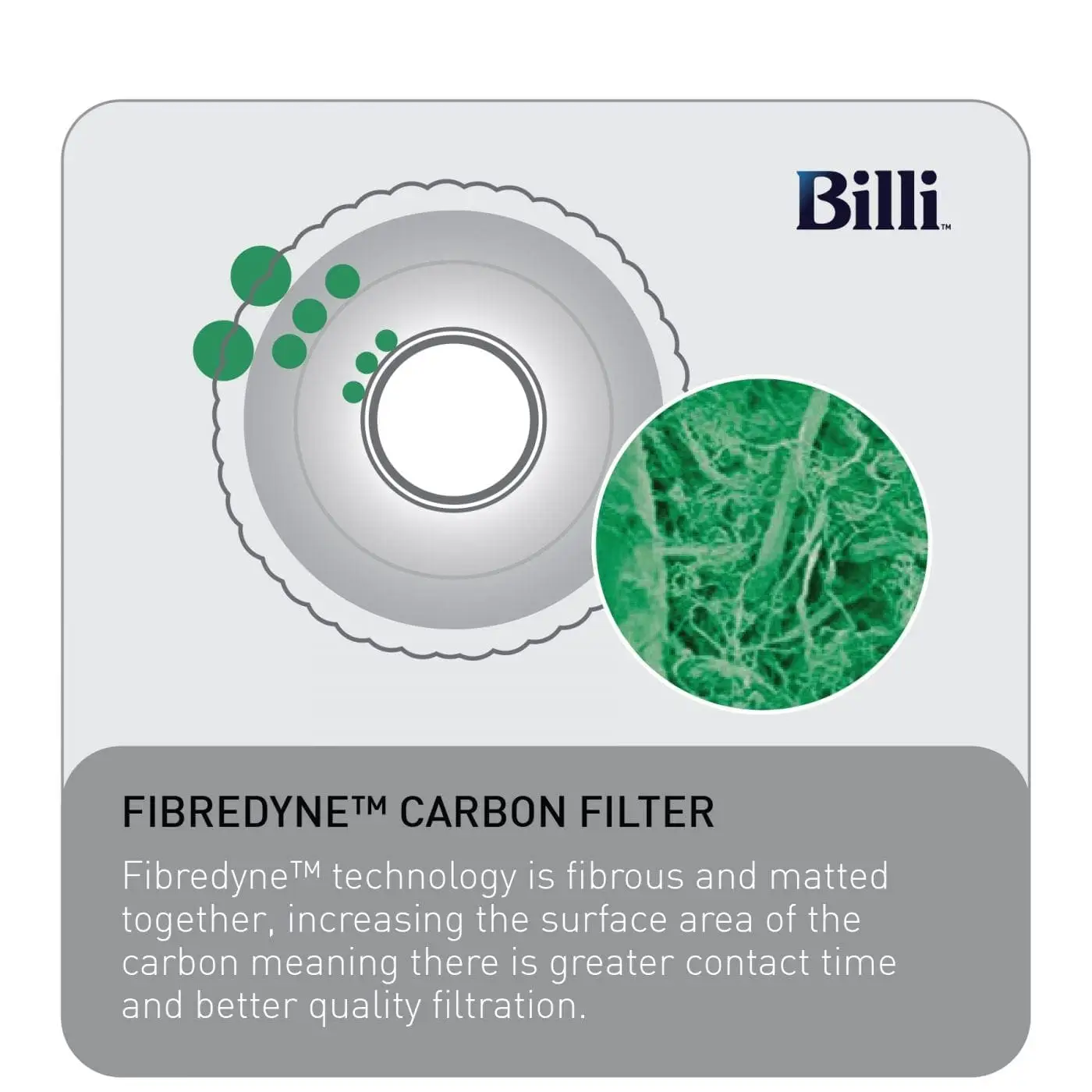
Billi leverages advanced multi-stage filtration technology, notably through its partnership with BWT, Europe’s largest water treatment products company. This collaboration has birthed filters utilising unique Fibron X technology, which boasts a graded density profile for superior contaminant reduction performance. Unlike conventional carbon filters, which are often limited by their granular composition and resin binding, Billi’s filters ensure a broader and more effective filtration process.
Why Choose Billi’s Water Filtration Systems
As well as the peace of mind afforded by our innovative filtration and purification technology, Billi’s water systems include dispensers with instant Boiling, Chilled, Ambient, and even Sparkling water options (as well as advanced units with different combinations of these features.)
Our units are also stylish, energy efficient, and space-saving with some of the smallest footprints on the market, so you needn’t worry about finding the right fit for your space.
Making the Right Choice for Your Water Safety
In answering the questions, do water filters remove bacteria? and what does a UV filter do in a water purifier?, it’s clear that while traditional filters provide a significant level of water quality improvement, Billi filtration technology elevates water safety to new heights. Billi’s combination of advanced filtration and purification offers a robust solution for residential, commercial, and healthcare settings, ensuring every drop of water is refreshing and tasty without hidden contaminants.
Explore our range and discover the peace of mind that comes with knowing your water is clean, safe, and free from harmful bacteria. For more information on how to integrate these advanced systems into your home or workplace, visit our online shop or contact the experts at Billi.
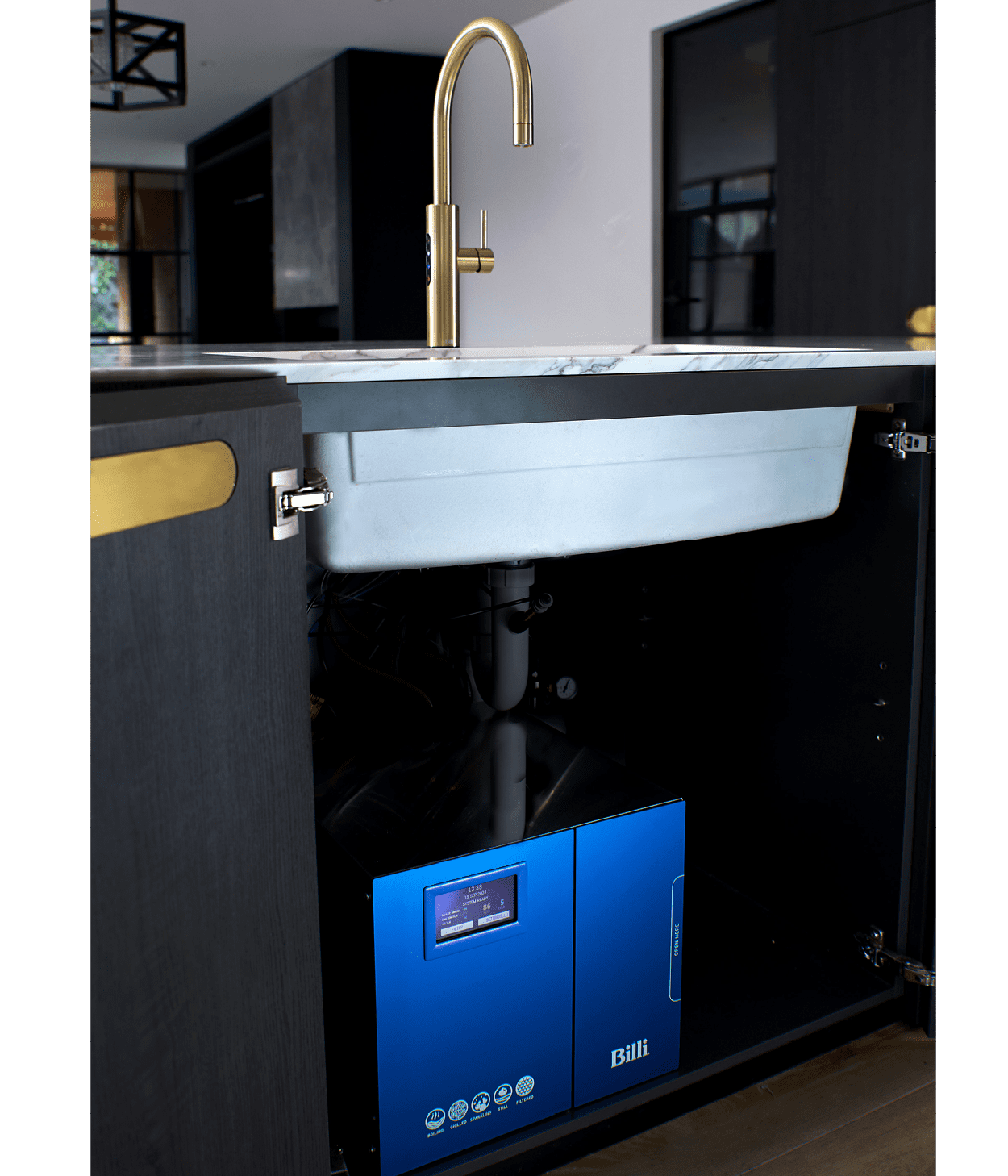
While the Australian Drinking Water Guidelines specify that our tap water ought not to contain harmful concentrations of chemicals or pathogenic microorganisms, not all tap water suppliers are equal. And as consumer magazine Choice states, in some cases ‘installing a filter may be your only feasible option’ to ensure a healthy drinking water supply. Is drinking tap water harmful? By and large Australian tap water is not harmful. However, if your water supply is compromised, or if you simply don’t like the taste or odour of it, you might want to consider a filtration system.
In the quest for cleaner, tastier, and safer drinking water, one question often surfaces: Do water filters effectively remove chlorine from tap water? With over three decades of innovation and excellence in water filtration technology, Billi stands at the forefront of delivering high-quality water for both homes and businesses. Let’s dive into how our systems tackle chlorine, enhancing both the taste and safety of your water.
Is Chlorine in Water Harmful?
Chlorine and fluoride are added to water supplies to ensure that pathogenic microorganisms are not present in the water. As to the question, ‘Is chlorine harmful in drinking water?’ debate remains about the pros and cons. Generally, as Choice states, the benefits of adding chemicals like chlorine to Australia’s water supplies ‘are still thought to outweigh any potential risk’.
Why is Chlorine in Your Water?
First off, it’s crucial to understand why chlorine is there in the first place. Some chemicals such as chlorine and fluoride are added to the water supply to kill harmful bacteria and pathogens, ensuring the water that reaches your tap is safe to drink. However, while it’s a necessary treatment, chlorine can leave behind a taste and odour that many find unpleasant.
People often ask, ‘is chlorine in tap water dangerous?’; There are ongoing discussions about the pros and cons of chlorine treatment but as consumer magazine Choice notes, ‘the benefits of using the chemicals are still thought to outweigh any potential risk’. That’s why there are times when you can clearly taste the chlorine in your water supply. But the good news is, water filtration systems can reduce that chlorine and improve the taste.
Does Filtered Water Have Chlorine?
Billi’s water filters are designed not just to remove chlorine but also to enhance the overall quality of your water. Our systems, equipped with advanced multi-stage filtration technology, tackle a broad spectrum of contaminants, including:
- Chlorine and Fluoride: Our Water Filters reduce and remove these chemicals to improve taste and odour.
- Organic Chemicals: Ensuring clearer, cleaner water.
- Heavy Metals: Making your water safer.
- Parasitic Cysts: Protecting against giardia and cryptosporidium.
The Role of Luxgarde™ in Chlorine Removal
With the need for chemicals to reduce bacteria and waterborne pathogens, you may be wondering if chlorine removal from tap water is even safe. This is why when discussing the best filter to remove chlorine from tap water, it’s impossible not to mention Billi’s Luxgarde™ UVC Purification Device.
While our filters reduce chlorine and other contaminants, Luxgarde™ offers an extra layer of protection by using UVC LED technology to eradicate up to 99.999% of waterborne pathogens, ensuring your water is not just free from the offputting aroma and taste of chlorine but also from the harmful bacteria and viruses that chlorine would otherwise be protecting against.
So How Do You Remove Chlorine from Tap Water?
The best way to remove chlorine from tap water is by installing a world-class under-sink water filtration system like one of Billi’s. Not only do our chlorine filters efficiently remove chemicals in water, but they also provide a stylish and comprehensive solution to water hygiene needs, enhancing the taste, odour, and safety of your drinking water.
Transform your water experience today with Billi’s advanced filtration technology and embrace a future where purity and taste go hand in hand, view our range or contact our team to learn more.
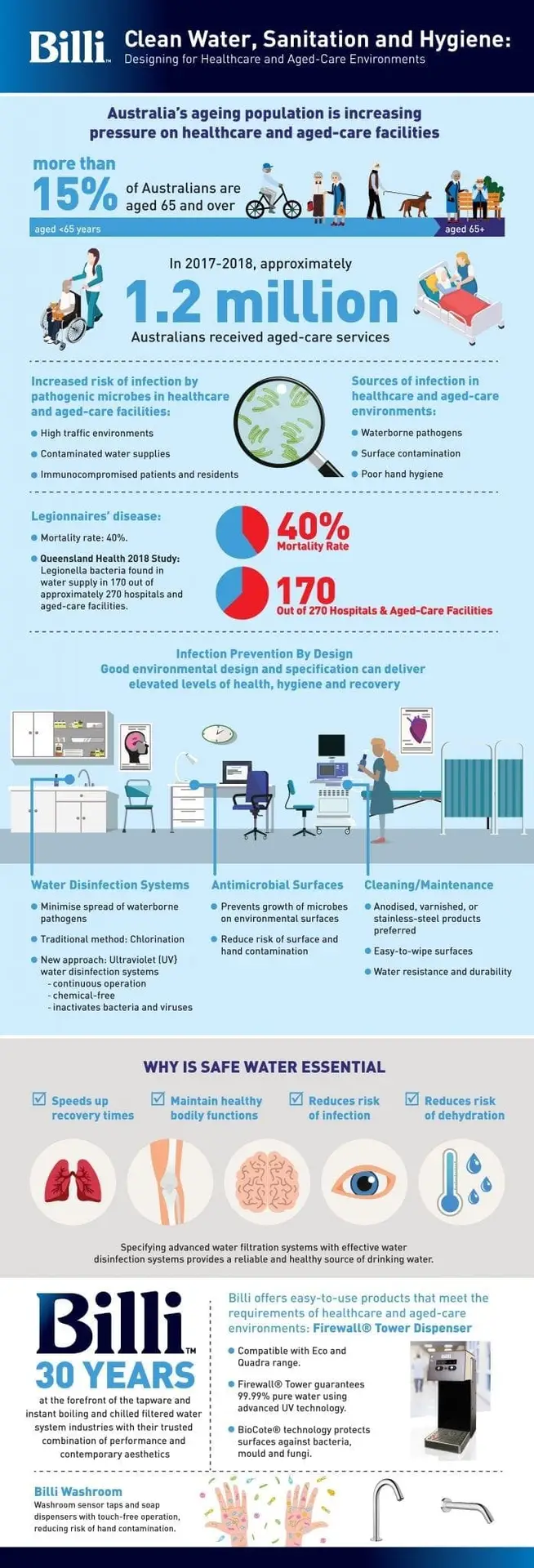
The Billi Commercial range features innovative technology that makes it ideal for use as an aged care or hospital water dispenser. Below, we list the features of the filters and the technology that makes our products of the best aged-care and hospital water filters on the market.
For over 30 years Billi has been supplying Australian households with high-quality water filtration systems. Our products are Australian designed & made in our state-of-the-art manufacturing facilities and feature the most advanced water filtration technology.
Enquire About Our Innovative Hospital Water Filter Today
Contact us today to speak with a consultant about Billi hospital water dispenser. We can provide you with all the info you need including what service plans we have available, what installation requirements are and how to get replacements filters.
Aged Care And Hospital Water Filter
With an in-house research and development team, we pride ourselves on being at the forefront of water filtration technology. The Billi Commercial range is suitable for aged care and hospital water dispensers.
Our innovative technologies utilise the latest in UV water purification, guaranteeing 99.99% pure water, 100% of the time. A UV lamp is uniquely positioned where water is dispensed, stopping waterborne bacteria from reproducing, the moment before it is delivered.
The filtration technology protects surfaces against bacteria, mould and fungi, using the antimicrobial properties of silver to prevent microorganisms from growing. This advanced technology, coupled with the convenience of instant boiling and chilled water is what makes this system so suitable as a hospital water dispenser.
Benefits Of Billi Hospital Water Dispenser
- Meets Australian certification requirements
- Exceeds the strict health & hygiene requirements of healthcare & aged-care environments
- Delivers safe drinking water to patients and residents
- Helps to ensure specific hydration needs are met
- Helps to protect against the spread of bacteria and disease